
 See Our Latest Article on HelloNation
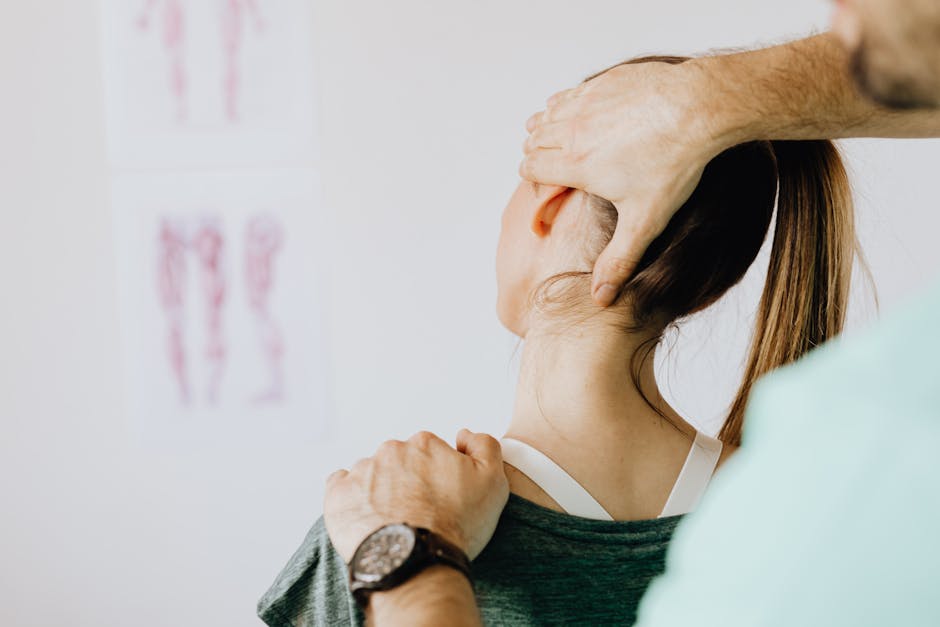
Living in Schodack, NY, residents enjoy the best of both worlds: tranquil rural charm and proximity to the Capital Region’s busier centers. Whether you’re gardening in your backyard, hiking the trails around Schodack Island State Park, or commuting to Albany for work, keeping your body healthy is essential. One frequently overlooked threat to wellbeing is nerve compression—a condition that can start with mild symptoms yet progress into chronic pain or disability if ignored. Recognizing early warning signs can help you seek help before things get worse.
What Is Nerve Compression?
Nerve compression, or “pinched nerve,” happens when surrounding tissues—such as bones, cartilage, muscles, or tendons—apply too much pressure on a nerve. This can result from repetitive motions, poor posture, injuries, or chronic conditions like arthritis. In Schodack’s active community, especially among those who work outdoors, on farms, or at desks for long periods, the risk isn’t negligible.
Why Early Detection Is Crucial
When caught early, nerve compression is often treatable through non-invasive therapies, including chiropractic care, physical therapy, simple lifestyle modifications, and ergonomic changes. Delaying intervention, however, could result in:
- Permanent nerve damage
- Chronic pain
- Weakness or loss of function
- Reduced enjoyment of everyday activities
That’s why knowing the early warning signs is the key to maintaining an active and pain-free life in Schodack.
Early Warning Signs of Nerve Compression
1. Tingling and Numbness
One of the most common early signs of nerve compression is tingling, often described as a “pins and needles” sensation, in your extremities. For instance, if you spend a lot of time typing, gardening, or driving through the rural roads of Rensselaer County, you might notice tingling in your hands, fingers, or arms. Numbness—a lack of feeling in those same areas—is another red flag.
2. Localized Pain or Burning
If you feel sudden, sharp, or burning pain—especially when bending, lifting, or reaching—it may suggest that a nerve is being compressed. Pain might radiate along the nerve path, such as from your neck to your shoulder and arm, or from your lower back down to your leg (sciatica).
3. Muscle Weakness
Has carrying bags of groceries from the Schodack Plaza become harder? If muscles in your arms or legs feel weaker than usual without clear cause, nerve compression could be the culprit. Weakness may also manifest as dropping objects, stumbling, or difficulty performing everyday chores or farm work.
4. Unexplained Clumsiness
Routine farm or yard work in Schodack requires coordination and balance. If you notice unexplained clumsiness—such as tripping more frequently, stumbling while walking, or a sudden inability to grip tools—take it seriously. Nerves control both strength and precision of movement.
5. Symptoms That Worsen with Certain Activities
Nerve compression symptoms often worsen in specific postures or activities, such as:
- Sitting at a computer for extended periods
- Driving long distances across upstate New York
- Repetitive lifting, bending, or twisting (like stacking firewood or shoveling snow)
If your symptoms are activity-dependent and ease up with rest, it’s a sign your nerves might be crying out for help.
Common Causes of Nerve Compression in Schodack, NY
The lifestyle in Schodack can put unique demands on the body. Common local risk factors include:
- Outdoor labor and farm work, placing repetitive stress on joints and back
- Sedentary desk or remote work, especially with poor ergonomic setups
- Recreational activities (cycling, hiking, or team sports)
- Age-related changes such as arthritis or spinal disc degeneration
What to Do If You Notice Early Signs
Recognizing these symptoms is the first step. Here’s what to do next:
1. Don’t Ignore the Symptoms
Temporary tingling after sitting too long may not be urgent, but persistent or worsening symptoms should never be ignored. Early evaluation by a healthcare provider, especially a chiropractor familiar with musculoskeletal issues, is critical.
2. Adjust Your Daily Routine
Incorporate simple adjustments:
- Take regular breaks during long stretches of desk or farm work.
- Stretch before and after physical activity.
- Assess your workspace and tools for ergonomic improvements.
3. Seek Professional Evaluation
A chiropractor can assess your musculoskeletal alignment and recommend individualized treatment or refer you to the appropriate specialist. Prompt intervention can prevent progression and help you return to your favorite Schodack activities pain-free.
Frequently Asked Questions
Can nerve compression heal on its own?
Mild cases sometimes resolve with rest and self-care, but persistent compression may cause long-term damage without professional treatment.
Is numbness always a sign of nerve compression?
Numbness can result from several causes, including nerve compression, poor circulation, or other medical conditions. A thorough evaluation is necessary for an accurate diagnosis.
Are there preventative steps I can take?
Yes! Good posture, regular movement, and ergonomic workspaces all decrease the risk of nerve compression—particularly for those with active and varied routines in Schodack.
When to Seek Immediate Medical Attention
You should seek urgent medical help if you experience:
- Sudden, severe weakness
- Loss of bladder or bowel control
- Complete loss of feeling in an arm or leg
These may signal a medical emergency and require immediate care.
Living Healthy in Schodack: Listen to Your Body
Don’t let nerve compression diminish your quality of life—whether you’re tending to your garden, hiking the local trails, or working hard on the job. Early attention to subtle symptoms can keep you moving, working, and enjoying everything Schodack has to offer. If you notice warning signs, seek expert advice and intervention. Your nerves—and your lifestyle—will thank you.
