
 See Our Latest Article on HelloNation
Why Does Back Pain Occur During Pregnancy?
Most pregnant people in Schodack, NY experience some degree of back discomfort at certain points in their pregnancy. This is usually due to a combination of hormonal changes, weight gain, and posture shifts as the body adapts to support a growing baby. The pelvis naturally loosens, abdominal muscles stretch, and the center of gravity changes, all of which can place extra stress on the lower back.
For many, this discomfort peaks during the second or third trimester and may feel different from person to person—ranging from a dull ache to more pronounced, sharp pains. Local factors, such as icy sidewalks in winter or the need for frequent snow shoveling, can accentuate strain and require extra caution.
Are There Safe Exercises to Relieve Back Pain in Pregnancy?
Gentle activity can be both safe and effective for most expectant parents, as long as it is cleared by a healthcare provider. Regular movement keeps muscles flexible and improves circulation, both of which support reduced back pain.
Simple options frequently recommended include:
- Walking on flat, even paths or indoor tracks, especially on slippery winter days
- Pregnancy-oriented stretch routines such as cat-cow or gentle pelvic tilts
- Light prenatal yoga, focusing on stretches that lengthen the lower back and hips
Area households may also find it helpful to use sturdy chairs or support rails during balance exercises, given the frequent changes in local weather and floor surfaces.
How Does Posture Affect Back Pain During Pregnancy?
Good posture significantly reduces back strain. Pregnancy shifts the body’s center of gravity, leading many to lean backwards unconsciously, which can increase discomfort.
To improve posture:
- Distribute weight evenly when standing and walking
- Sit with both feet flat on the floor, using a rolled towel or small cushion to support the lower back if needed
- Use supportive shoes with non-slip soles, especially during the region’s wet or icy seasons
Adjusting posture when lifting objects — even lightweight items — is especially important. Instead of bending at the waist, bend at the knees and avoid twisting the back.
What About Heat, Cold, or Massage?
Heat and cold can both help with back pain, but precautions are necessary to avoid burns or discomfort.
- Warm compresses or a heating pad (set on low) can be applied to sore muscles for 15-20 minutes at a time
- A cold pack wrapped in a towel can reduce acute discomfort after activity
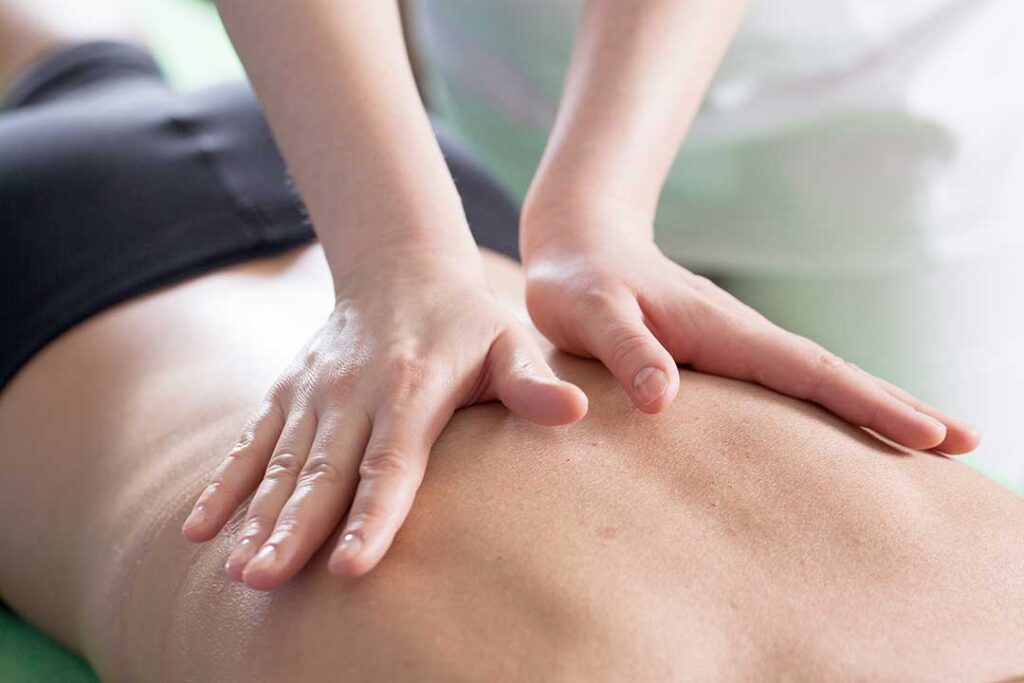
Local residents should avoid using electric blankets or prolonged, high heat directly on the abdomen. Gentle self-massage or using a foam roller on the upper back can also offer relief. Many in the community have found that asking a partner or family member for a gentle lower back rub is practical and safe if pressure is kept light.
Can Sleep Positions Make a Difference?
Sleep disruptions from back pain are extremely common during pregnancy. Supportive sleep practices can make a substantial difference.
- Lying on the left side with a pillow between the knees helps align the spine
- A firm mattress or mattress topper offers additional support
- Placing a small pillow under the abdomen can reduce strain on the lower back
Some area homes feature older or softer mattresses; in these cases, adding a supportive pillow system or temporarily switching to a firmer guest bed might provide relief.
What Household Activities Worsen Back Pain and How Can Risks Be Reduced?
Pregnancy often coincides with continued household responsibilities, but some tasks can increase back discomfort.
To minimize risk:
- Avoid heavy lifting — ask for help moving snow, firewood, or groceries, especially during winter
- Use long-handled tools for cleaning or shoveling to limit bending and reaching
- Take frequent breaks during chores, rotating tasks to avoid repetitive strain
In Schodack, gardening and seasonal outdoor work are common in spring and fall, but squatting for long periods may lead to extra back pain. Using a sturdy kneeling pad or gardening stool helps to relieve pressure.
When Is Back Pain During Pregnancy a Concern?
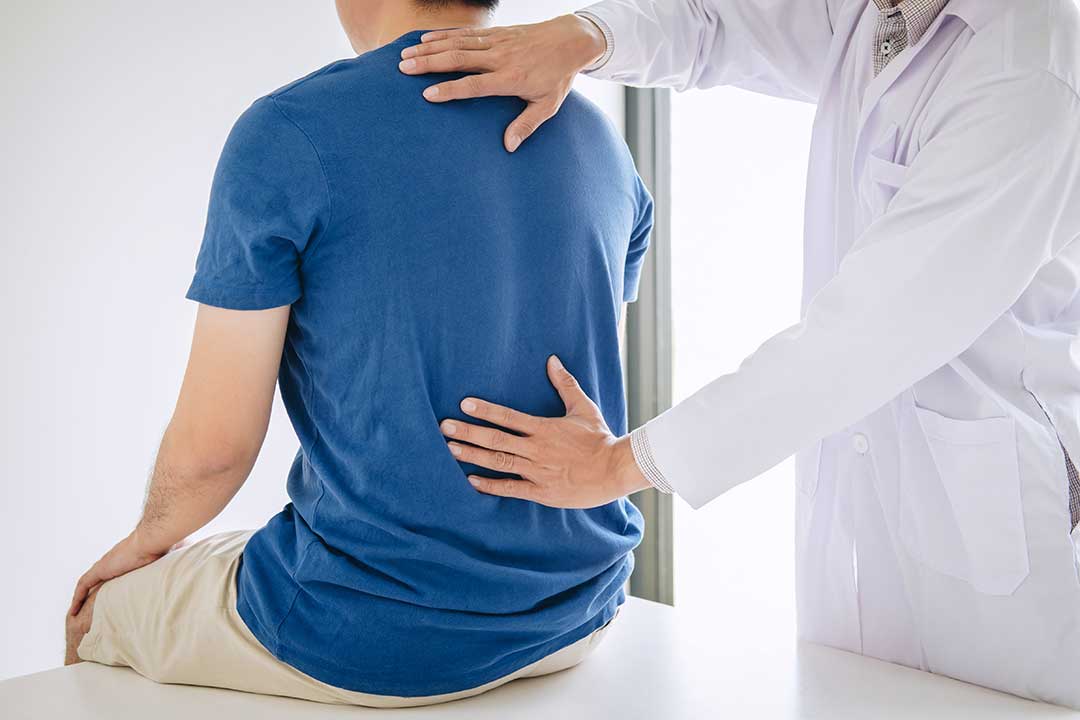
Mild to moderate back pain is a common experience, but it’s not always harmless. Seek medical evaluation if back pain is severe, persistent, or accompanied by:
- Fever
- Loss of bladder or bowel control
- Numbness or tingling in the legs
- Sudden onset of pain, especially after a fall or injury
These could signal a more serious underlying condition that requires special attention. In rare cases, back pain may coincide with early labor or urinary issues, so erring on the side of caution is wise during pregnancy.
Are Home Supports and Modifications Useful?
Many homes in Schodack are equipped to help reduce back pain risk during pregnancy:
- Adding grab bars or railings near steps, bathtubs, and showers helps maintain balance
- Using non-slip mats, especially during periods of rain or snow
- Placing a supportive cushion or lumbar pillow in favorite reading or TV chairs
Simple changes in daily routines—such as prepping meals in advance to reduce standing time or setting up a comfortable workspace for remote work—can further support comfort throughout pregnancy.
Common Myths About Back Pain Relief in Pregnancy
Some misconceptions persist regarding what is “safe” or “effective” for back pain during pregnancy:
- “Complete bed rest is best”—In most cases, gentle movement is more helpful than extended rest
- “Lifting light objects can’t hurt”—Improper lifting mechanics can cause strain, even for small items
- “A single stretch or exercise solves back pain”—Relief often involves a combination of adjustments in posture, sleep, movement, and self-care
Community members should feel comfortable asking their existing provider or prenatal specialist for guidance that fits their particular pregnancy stage and health profile.
