
 See Our Latest Article on HelloNation

A chiropractic appointment is easier and more useful when the provider has a clear picture of your symptoms, health history, daily activities, and goals. Most people do not need special preparation, but a few simple steps can make the first visit more productive and help identify situations that require medical evaluation instead.
What should you do before the appointment?
You generally do not need to fast, stretch, exercise, or change your normal routine before a chiropractic visit. Eat and drink normally unless the office has given you different instructions. Arrive with enough time to complete paperwork without feeling rushed.
Before leaving home, think through:
- When the pain or stiffness began
- Whether it started after lifting, a fall, a vehicle collision, sports, housework, or another event
- Where the discomfort is located
- Whether symptoms travel into an arm, leg, shoulder, or hip
- What makes symptoms better or worse
- Whether pain affects sleep, walking, work, driving, or household tasks
- What you have already tried
A short note on your phone can help. Pain is not always at its worst during an appointment, so written details may provide a more accurate picture of the pattern.
For residents in Schodack, seasonal activities may be relevant. Mention shoveling, slippery winter walking, gardening, long periods of driving, outdoor maintenance, or changes in activity during warmer months if they relate to the problem. These details can help explain how symptoms developed without assuming that the cause is simply “tight muscles” or a minor strain.
What health information should you bring?
Bring an updated list of prescription medicines, over-the-counter medicines, vitamins, and supplements. Include the dose when possible. Also prepare information about allergies, previous surgeries, fractures, chronic conditions, and earlier injuries.
Be sure to mention:
- Osteoporosis or unusually fragile bones
- Arthritis or inflammatory conditions
- Cancer or a history of cancer
- Blood-clotting problems or use of blood thinners
- Recent infections or fever
- Pregnancy or the possibility of pregnancy
- Recent surgery
- Numbness, tingling, weakness, or changes in coordination
- Severe or unusual headaches
- Previous problems involving the neck or spine
A chiropractic evaluation commonly includes questions about medical history, lifestyle, sleep, activity, and prior injuries, followed by a physical examination. The provider may assess movement, strength, sensation, posture, and other relevant findings. Imaging is not automatically needed for every complaint, and whether it is appropriate depends on the symptoms and examination. ([medlineplus.gov](https://www.medlineplus.gov/ency/patientinstructions/000416.htm?utm_source=openai))
If another clinician has already performed imaging or testing, bring copies or ask how records can be shared. Avoid relying on memory alone for medication names or past diagnoses.
What should you wear?
Wear comfortable clothing that allows ordinary movement. Athletic pants, loose trousers, or flexible layers are usually practical. Avoid clothing that makes it difficult to examine the affected area, such as very tight garments, heavy belts, or multiple bulky layers.
You may be asked to sit, stand, walk, bend, or lie on an examination table. Shoes can also matter if balance, gait, foot pain, or lower-body mechanics are part of the evaluation. Wear supportive everyday shoes if the appointment involves walking assessment.
There is no need to dress for an exercise session unless the office specifically requests it. The goal is access and comfort, not appearance.
What questions should you ask?
A first visit is also an opportunity to understand the proposed plan. Useful questions include:
- What might be contributing to these symptoms?
- What findings support that explanation?
- Are there activities to modify temporarily?
- What treatment options are available?
- What benefits and risks should be considered?
- Is treatment expected to include spinal manipulation, exercise, soft-tissue work, or education?
- How will progress be measured?
- What symptoms would require a different type of medical evaluation?
- How should care be coordinated with other clinicians?
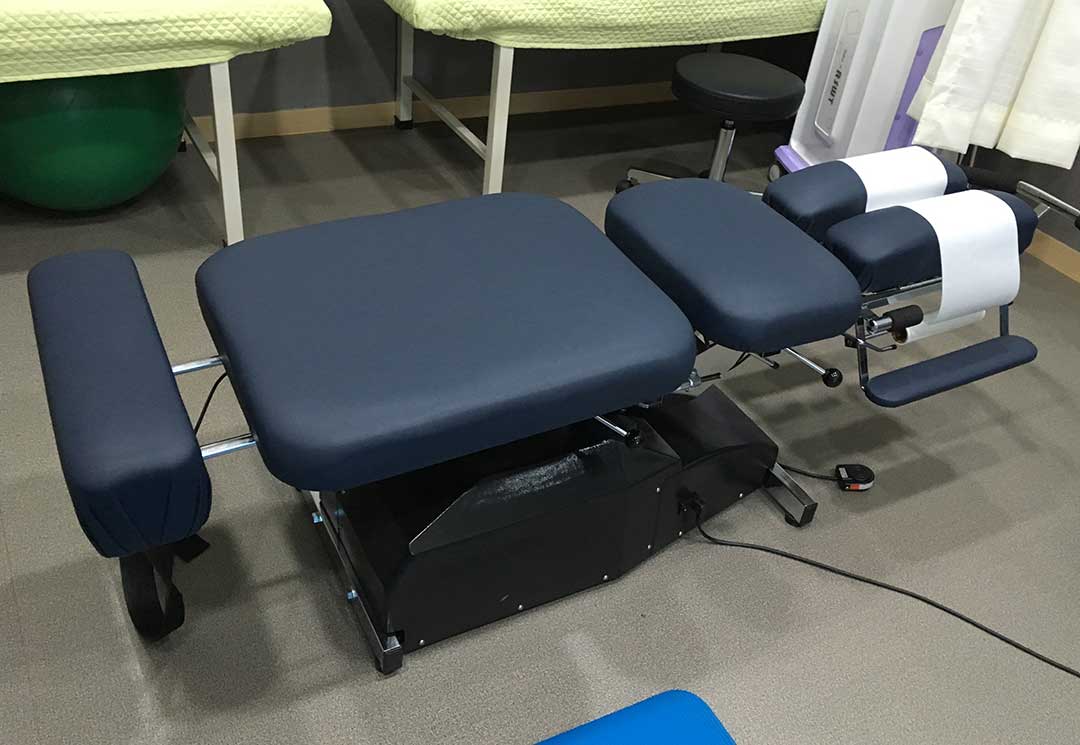
You do not have to agree to treatment immediately. It is reasonable to ask for an explanation of what will happen, what alternatives exist, and what to expect afterward. A patient should be able to say that a technique is uncomfortable or ask that treatment stop.
Should you expect an adjustment at the first visit?
Not necessarily. The first appointment may focus mainly on history-taking and examination. Treatment may begin at the first or second visit, but that decision should follow an assessment of whether the approach is appropriate for the individual situation. ([medlineplus.gov](https://www.medlineplus.gov/ency/patientinstructions/000416.htm?utm_source=openai))
An adjustment, also called spinal manipulation, uses controlled movement applied to a joint. Other care may include mobility exercises, strengthening, posture or activity guidance, and soft-tissue techniques. The exact approach depends on the complaint, examination findings, health history, and preferences.
A common misconception is that every chiropractic visit involves the same technique. In practice, treatment should be adapted to the person and the body region involved. Neck treatment deserves especially careful discussion because rare but serious complications have been reported in association with cervical manipulation. ([mayoclinic.org](https://www.mayoclinic.org/tests-procedures/chiropractic-adjustment/about/pac-20393513?utm_source=openai))
When should you postpone an adjustment and seek medical care?
Some symptoms should be evaluated urgently rather than treated as routine muscle or joint pain. Seek prompt medical attention for new or worsening:
- Loss of strength in an arm or leg
- Numbness that is spreading or severe
- Difficulty walking, speaking, swallowing, or maintaining balance
- Loss of bladder or bowel control
- Numbness around the inner thighs or groin
- Severe pain after a significant fall, crash, or other trauma
- Fever with intense back or neck pain
- Unexplained weight loss with persistent pain
- Chest pain, shortness of breath, fainting, or sudden severe headache
Mayo Clinic lists severe osteoporosis, certain spinal cancers, increased stroke risk, and neurological symptoms such as numbness, tingling, or loss of strength among situations requiring particular caution or avoidance of chiropractic adjustment. ([mayoclinic.org](https://www.mayoclinic.org/tests-procedures/chiropractic-adjustment/about/pac-20393513?utm_source=openai))
A person who has recently fallen on ice, been injured while lifting, or experienced a collision should describe the event clearly. Even if movement seems possible, the mechanism of injury can affect what examination or testing is safest.
What may you feel afterward?
Some people report temporary soreness, stiffness, or tiredness after manipulation. These effects are usually short-lived, but worsening pain, new neurological symptoms, or other concerning changes should not be ignored. ([medlineplus.gov](https://www.medlineplus.gov/ency/patientinstructions/000416.htm?utm_source=openai))
For the rest of the day, follow the activity guidance provided during the visit. Avoid testing the treated area with unusually heavy lifting, strenuous yardwork, or intense exercise simply to see whether it feels better. In a community where seasonal chores can involve snow, ice, ladders, tools, and repetitive bending, returning gradually to demanding tasks is often more sensible than resuming everything at once.
Preparing well does not mean arriving with a diagnosis. It means bringing accurate information, describing symptoms honestly, asking questions, and understanding when chiropractic care may not be the right first step. That preparation supports a safer, more focused evaluation.
