
 See Our Latest Article on HelloNation
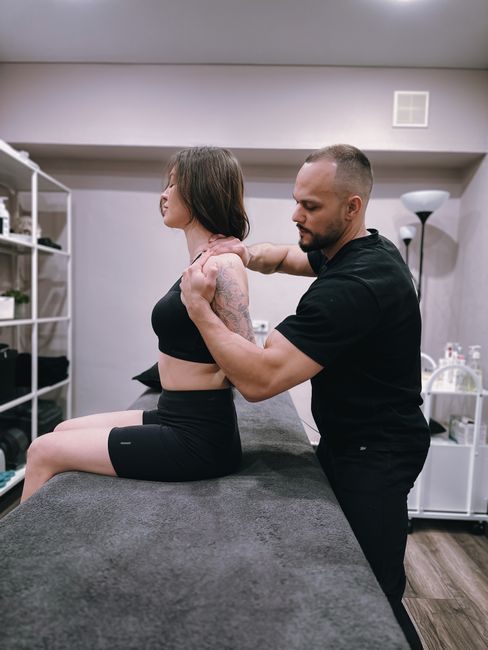
Spinal adjustments are controlled manual or instrument-assisted movements applied to joints of the spine. Their effects are thought to involve joint motion, muscle activity, and the nervous system—not the permanent “putting back” of a vertebra that has slipped out of place.
For residents of Schodack, understanding the science can make it easier to separate established evidence from common claims. Spinal manipulation may help some people with back or neck pain, but its benefits are usually modest, vary by condition, and should be considered alongside exercise, daily activity, sleep, and other appropriate care.
What happens during a spinal adjustment?
A spinal adjustment applies a measured force to a spinal joint. The movement may be quick and shallow, known as a high-velocity, low-amplitude thrust, or it may be slower and gentler, often called mobilization.
The goal is generally to influence movement and comfort in a specific area. A person may lie on a padded table while the practitioner positions the body and applies pressure with the hands or a small instrument.
The audible popping sound sometimes heard during an adjustment is usually caused by a rapid change in pressure within a joint. It is not proof that a bone has moved back into place, and a quiet adjustment can be just as deliberate as one that produces a sound.
Does an adjustment realign the spine?
Usually, the science does not support the idea that routine spinal adjustments permanently realign displaced vertebrae. The spine is a strong, adaptable structure, and ordinary back or neck pain is not typically caused by bones being dramatically “out of alignment.”
Research has found short-term changes in joint spacing, spinal stiffness, and movement after manipulation. These changes are generally subtle and do not establish that a vertebra has been permanently repositioned.
A more accurate explanation is that an adjustment may temporarily change how a joint moves and how surrounding tissues respond. That change can sometimes make movement feel easier or less painful, particularly when stiffness and sensitivity are contributing to symptoms.
How might spinal manipulation reduce pain?
Pain is produced by the nervous system, not simply by damaged tissue. Signals from joints, muscles, ligaments, and skin are processed by the spinal cord and brain. Manual pressure and movement can influence these signals in several ways.
Possible mechanisms include:
- Reduced sensitivity: Movement of a stiff or painful area may temporarily lower the nervous system’s response to pressure.
- Changes in muscle activity: An adjustment may affect protective muscle guarding, allowing a person to move with less tension.
- Improved movement confidence: A less painful movement can reduce fear and encourage normal activity.
- Effects beyond the treated joint: Some studies suggest that manual therapy can influence pain processing in areas away from the adjustment site.
- Short-term nervous-system responses: Changes in heart rate, skin conductance, and other measures have been observed, although their clinical meaning is not fully understood.
These mechanisms are still being studied. Researchers do not have one universally accepted explanation for why adjustments help some people. The benefit may result from several factors working together, including touch, movement, expectations, reassurance, and increased physical activity after pain improves.
What conditions may respond to spinal adjustments?
The strongest evidence generally concerns certain types of musculoskeletal pain, especially uncomplicated low-back pain and some forms of neck pain. Research has found small improvements in pain or function for some people, particularly over the short term.
An adjustment is not a cure for every cause of back or neck symptoms. Results may be less predictable when pain is related to nerve compression, inflammatory disease, fracture, infection, cancer, or a serious neurological condition.
Spinal manipulation also should not be promoted as a treatment for unrelated medical problems such as high blood pressure, asthma, or internal organ disease. Evidence for those uses is limited or does not show a clear benefit.
Why can movement matter as much as the adjustment?
An adjustment is usually one part of a broader approach to restoring comfortable movement. Muscles may become guarded after an injury, long period of sitting, or repeated physical task. Once pain decreases slightly, walking, strengthening, mobility exercises, and gradual return to normal activities may help maintain progress.
This can be relevant in Schodack during seasonal transitions. Snow clearing, slippery walking surfaces, spring yard work, home repairs, and long periods of driving can all change the demands placed on the lower back, hips, shoulders, and neck. Sudden increases in activity may cause soreness even when there is no serious structural injury.
A useful plan focuses on what a person can safely do between treatments rather than relying on repeated passive care alone.
Is the cracking sound necessary?
No. The sound is not the therapeutic goal. It may occur when gases shift within a joint during a quick change in pressure, but it does not indicate that the treatment was more effective.
Some adjustments are performed with a low-force instrument or gentle hand pressure and produce little or no sound. The choice of technique should reflect the person’s symptoms, preferences, examination findings, and health history.
What side effects are common?
Temporary soreness, stiffness, tiredness, or a mild headache can occur after spinal manipulation. These effects commonly resolve within a day or so, although an individual response can vary.
Serious complications are uncommon, but they have been reported. Neck manipulation deserves particular caution because rare vascular or neurological problems have been associated with movements involving the upper spine. Research has not always been able to determine whether manipulation caused every reported event, but the possibility should not be dismissed.
Before treatment, a person should disclose conditions such as osteoporosis, recent trauma, bleeding disorders, use of blood-thinning medication, inflammatory arthritis, cancer, infection, unexplained weight loss, or progressive neurological symptoms.
When should back or neck pain be evaluated urgently?
Back or neck pain requires prompt medical evaluation when it occurs with warning signs such as:
- New loss of bladder or bowel control
- Numbness in the groin or inner thighs
- Progressive weakness in an arm or leg
- Trouble walking or coordinating movements
- Fever, severe illness, or unexplained weight loss
- Significant pain after a fall or collision
- A sudden, unusual headache or neurological change
- Pain in someone with a history of cancer, major bone weakness, or serious infection risk
These symptoms may indicate a condition that requires medical testing or urgent treatment rather than routine manipulation.
What should a person realistically expect?
The most scientifically reasonable expectation is a possible short-term improvement in pain, stiffness, or movement for certain musculoskeletal problems. The response is not guaranteed, and improvement may come from a combination of manual treatment, natural recovery, activity changes, exercise, and reduced fear of movement.
Spinal adjustments should be understood as one treatment option—not a method for permanently correcting the body, preventing every future injury, or treating unrelated diseases. A careful assessment, clear explanation of expected benefits and risks, and attention to active self-management are central to using this approach responsibly.
