
 See Our Latest Article on HelloNation
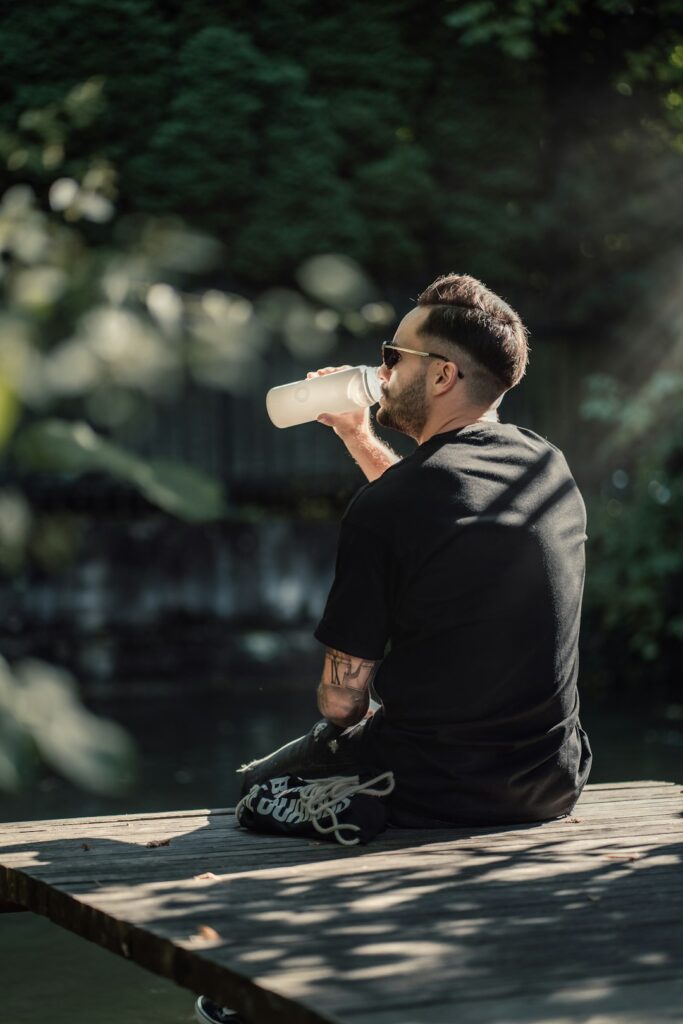
Staying hydrated supports the tissues that help the spine move, absorb load, and recover from daily activity. For residents of Schodack, NY, hydration can become especially important during summer heat, winter indoor heating, physical work, exercise, and outdoor tasks such as gardening or snow removal.
Water is not a treatment for every type of back or neck pain, but consistently drinking enough fluids is one part of protecting general musculoskeletal health.
How does hydration affect the spine?
Hydration helps maintain the structure and function of spinal discs, muscles, joints, connective tissue, and nerves. The intervertebral discs between the spinal bones contain a high proportion of water, particularly in the inner portion that helps distribute pressure.
Throughout the day, standing, walking, lifting, and sitting place repeated loads on the spine. Under pressure, discs gradually lose some fluid. During periods of rest, especially lying down overnight, they draw fluid back in. This normal cycle helps the discs respond to everyday movement.
Adequate hydration does not prevent disc degeneration or guarantee freedom from back pain. However, dehydration may add to fatigue, muscle cramping, reduced exercise tolerance, and difficulty maintaining normal physical activity—all of which can indirectly affect the back.
Can drinking water relieve back pain?
Sometimes, better hydration may reduce discomfort related to muscle fatigue or cramping, but water alone is unlikely to resolve a significant spinal condition. Back pain can also result from strained muscles, irritated joints, disc problems, arthritis, nerve compression, injuries, or medical conditions unrelated to hydration.
A person who has been working outdoors in hot weather, exercising, or going several hours without fluids may notice that headaches, muscle tightness, or generalized soreness improve after rehydrating and resting. That does not prove that dehydration caused the pain.
Persistent, worsening, or severe pain deserves careful evaluation, particularly if it follows a fall or other injury. Immediate medical attention is appropriate for back pain accompanied by new leg weakness, loss of bladder or bowel control, numbness in the groin area, fainting, fever, or unexplained weight loss.
How much water does an adult need?
There is no single amount that fits every person. Fluid needs vary with body size, age, diet, medications, health conditions, activity, and temperature.
A commonly cited reference for healthy adults is approximately:
- 2.7 liters of total water per day for women
- 3.7 liters of total water per day for men
These figures include water from beverages and food, not only plain drinking water. Fruits, vegetables, soups, yogurt, and other foods can contribute meaningfully to total fluid intake.
Thirst, urine color, and daily conditions can offer useful practical guidance. Pale yellow urine often suggests reasonable hydration, while consistently dark urine may indicate that more fluid is needed. Urine color can also be affected by vitamins, medications, and certain foods, so it is not a perfect test.
People with kidney disease, heart failure, liver disease, or specific fluid restrictions should follow individualized medical guidance rather than increasing water intake on their own.
When should local residents drink more?
Fluid needs rise when the body loses water through sweat, breathing, or increased physical activity. In the local community, this may happen during several types of everyday activity:
- Yard work and gardening during warm, humid weather
- Walking, cycling, or outdoor recreation
- Snow shoveling and other winter chores
- Work in heated indoor spaces during cold months
- Long drives or errands when water is not readily available
- Illness involving fever, vomiting, or diarrhea
Cold weather can make thirst less noticeable even though the body still loses moisture through breathing and activity. Indoor heating may also create a dry environment. Winter hydration should not be ignored simply because sweating is less obvious.
For outdoor work, drinking at regular intervals is generally more reliable than waiting until intense thirst develops. During prolonged sweating, meals and ordinary beverages often replace electrolytes adequately. Very strenuous activity or heavy sweating may require more individualized advice.
Does coffee count toward hydration?
Caffeinated beverages can contribute to daily fluid intake. For most healthy adults, moderate caffeine consumption does not automatically cause dehydration. However, water remains a simple choice, and highly sweetened beverages may add substantial sugar without offering special benefit to the spine.
Alcohol is different. It can increase fluid loss, impair judgment, and make it harder to notice fatigue or physical strain. Combining alcohol with lifting, outdoor labor, or recreational activity can raise injury risk.
Why does hydration matter during exercise and lifting?
Muscles perform less efficiently when the body is dehydrated. Fatigue can affect posture, coordination, lifting technique, and the ability to respond to unexpected movement. A tired person may twist while lifting, overuse the low back, or continue an activity after form has deteriorated.
Before physical activity, drinking fluids with meals and having water available can help. During activity, small regular amounts may be easier to tolerate than drinking a large volume all at once. Afterward, replacing fluids and eating a balanced meal can support recovery.

Hydration works best alongside other protective habits:
- Warm up before demanding activity.
- Use the legs and hips rather than rounding the back during lifting.
- Keep loads close to the body.
- Alternate repetitive tasks.
- Take short movement breaks during long periods of sitting.
- Increase outdoor activity gradually after a period of inactivity.
Is drinking extra water a way to “rehydrate” spinal discs?
Not in a direct or immediate sense. Spinal discs exchange fluid in response to pressure, movement, and rest. Drinking excessive amounts of water does not rapidly restore a disc or reverse structural changes.
The useful goal is steady, normal hydration over time. Regular movement, adequate sleep, sensible lifting, and conditioning are also relevant because spinal tissues respond to mechanical loading—not simply to the amount of water consumed.
Drinking far beyond thirst can be dangerous. Excessive water intake may dilute sodium in the blood, particularly during prolonged exercise or when large amounts are consumed quickly. Symptoms can include headache, nausea, confusion, unusual fatigue, or vomiting and require prompt medical attention.
What is a practical hydration routine?
A simple routine is usually more sustainable than tracking every ounce. Consider drinking with meals, keeping water accessible during work or exercise, and taking fluids before and after outdoor chores. On hot days, begin hydrating earlier rather than waiting until the activity is underway.
For people who frequently forget to drink, consistent habits can help:
- Keep a refillable container in a frequently used area.
- Pair water with regular meals and snacks.
- Drink before leaving for outdoor work.
- Take brief breaks during lifting or repetitive activity.
- Pay attention to thirst, urine changes, dizziness, and unusual fatigue.
Hydration supports the environment in which the spine, muscles, and joints function, but it is only one part of spinal care. Ongoing pain, repeated episodes, or symptoms involving the legs or arms should not be attributed to dehydration without considering other possible causes.
