
 See Our Latest Article on HelloNation
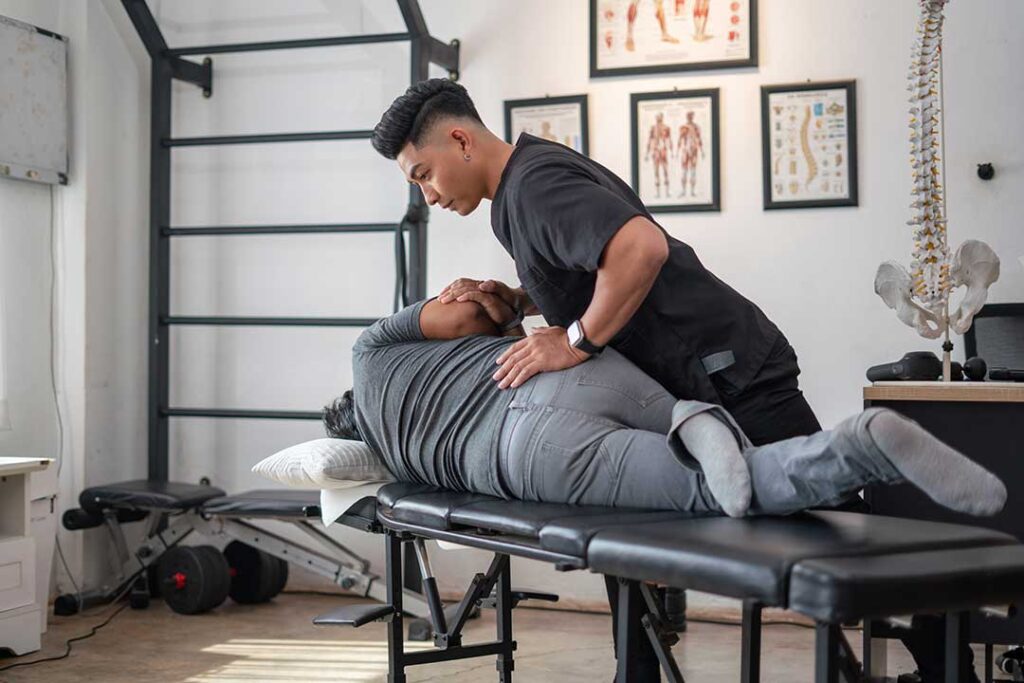
Why Focus on Mobility at Home?
Adults in Schodack, NY often ask how to keep joints and muscles flexible without complicated routines or equipment. Daily movement is especially valuable during long winters, after heavy gardening, or during stretches of remote work. Simple mobility exercises can be done in any room, helping residents stay agile and comfortable between visits with a health professional.
How Much Mobility Exercise Is Enough?
A few minutes each day can make a meaningful difference. While structured workouts are excellent, local households benefit from weaving short movements into normal routines—stretches before heading outdoors, gentle exercises while watching television, or a quick routine before bed. The key is consistency, not intensity.
What Are Practical Mobility Exercises for Home?
Several movements are safe and effective for most adults and can be adapted for different ages and fitness levels. Common routines include:
- Neck Circles: Slowly roll the head in circular motions, pausing if there is any pain. This relieves stiffness common after shoveling snow or staring at screens.
- Shoulder Rolls: Lift and roll the shoulders forward and backward while sitting or standing. This warms up the upper body, which is helpful after yardwork or long drives on area roads.
- Torso Rotations: Sitting upright in a chair, rotate the upper body gently from side to side, holding each twist for a few seconds.
- Hip Circles: Stand with feet apart, hands on hips, and gently create circles with the hips in each direction—helpful for anyone who spends time gardening or working at a desk.
- Ankle Circles: Sitting or standing, rotate each ankle several times, which helps prepare the body for walking the varied terrain of the region, from uneven lawns to icy sidewalks.
- Seated Marching: Sit in a sturdy chair and lift knees one at a time as if marching. This boosts hip and knee flexibility.
- Cat-Cow Stretch: On hands and knees, slowly arch (cat) and dip (cow) the back. This is gentle on the spine and suitable for most living spaces.
These exercises require little space and can be performed on a mat, rug, or even carpet.
Are These Exercises Safe for Everyone?
Most gentle mobility exercises are safe for healthy adults. However, people with recent injuries, chronic pain, or mobility aids should avoid movements that cause discomfort and consult a qualified health professional if unsure. For households with active children or older adults, supervising or modifying exercises can prevent slips or falls on hard floors, especially during the snowy months when the risk of stiffness rises.
When Should Mobility Exercises Be Done?
There is no strict schedule, but local routines often fit exercises into natural breaks in the day:
- After waking up, especially on chilly mornings
- Following long periods of sitting at a desk or on the couch
- Before and after shoveling, gardening, or outdoor chores
- In the evening to help with relaxation
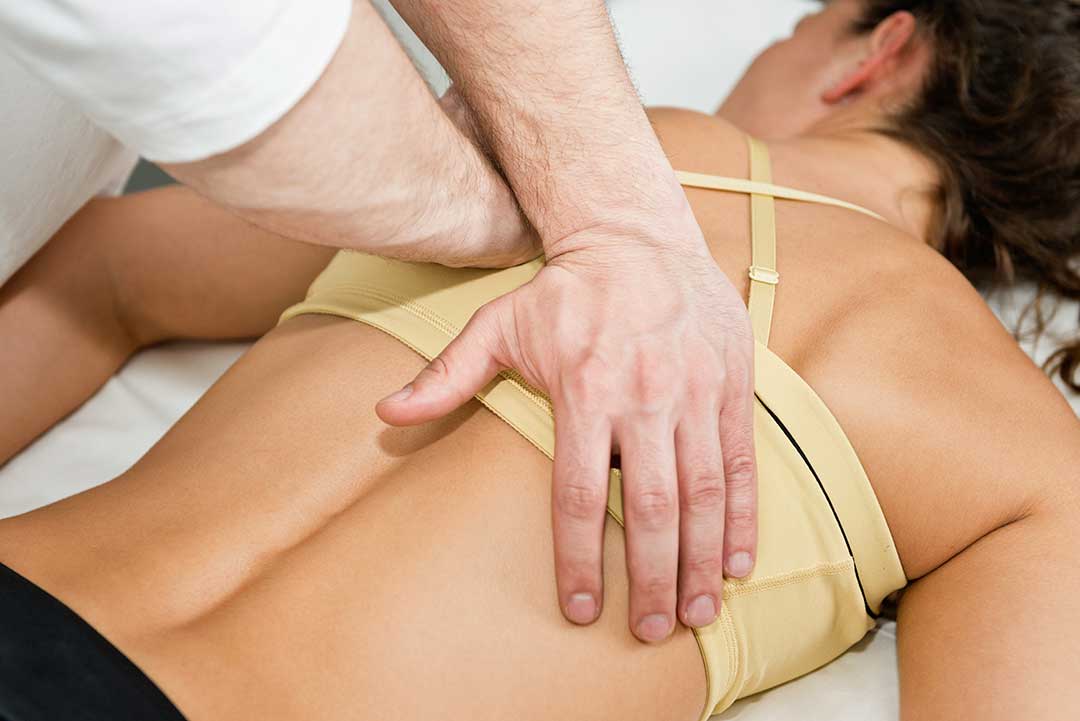
Local school schedules and work-from-home habits sometimes mean multiple generations are home throughout the day. Simple flexibility routines encourage everyone to get moving in small ways, especially when cabin fever sets in during long winters.
What Local Conditions Affect at-Home Mobility?
Schodack residents face a combination of humid summers, cold, snowy winters, and periods of outdoor activity (like raking or gardening). Seasonally, joints may feel stiffer due to temperature changes or after physical chores like snow removal or lawn care. At these times, a quick routine indoors can help relieve tightness before venturing outside again.
For houses in the city with stairs or limited space, exercises that require only a small area or a stable chair are especially useful. Many households also adjust routines for hardwood floors or basement playrooms during colder months.
What If a Routine Feels Too Easy or Too Hard?
People sometimes underestimate the value of gentle movement, assuming only strenuous workouts help mobility. However, easy stretches and joint circles maintain flexibility, especially when stuck indoors by weather or after busy local events. On the other hand, if a routine feels uncomfortable or difficult, try smaller movements, skip exercises that aggravate existing aches, or use supportive props like cushions or rolled towels.
What Are Common Misconceptions About At-Home Exercises?
Some residents believe only gym visits or advanced routines matter for flexibility. In reality, small daily movements—done while waiting for the kettle to boil or during TV commercials—provide real benefits. Another misconception is that stretching is only for athletes or young people. Adults of any age can benefit, and staying mobile is especially important for older adults wanting to remain active in the community.
How Can Area Residents Keep the Habit Going?
Changes in weather, work schedules, and family needs often disrupt good habits. For better consistency, consider:
- Setting a reminder—such as pairing stretches with daily tasks
- Involving other household members, so the habit feels social
- Choosing a dedicated space with enough room to move safely
Remember, mobility routines work best when they fit individual needs and home environments rather than rigid plans from fitness magazines.
