
 See Our Latest Article on HelloNation
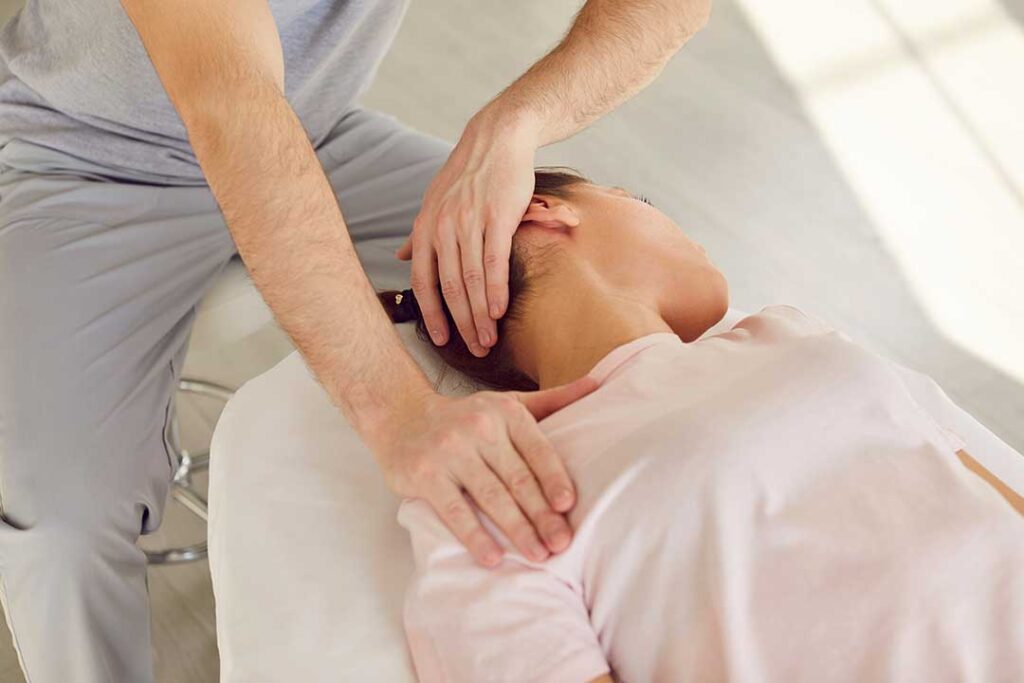
What does spinal health have to do with quality of life?
Spinal health affects more than whether a person has back or neck pain. The spine supports movement, balance, posture, and protection of the spinal cord, so problems involving the joints, discs, muscles, or nerves can influence sleep, work, exercise, mood, and ordinary household activities.
A healthy spine does not mean perfect posture or a complete absence of discomfort. It generally means the back and neck can move, bear normal loads, and recover from everyday demands without persistent pain, weakness, or loss of function.
For residents of Schodack, seasonal tasks such as shoveling, carrying firewood, gardening, home maintenance, and driving in winter conditions can place changing demands on the back. Spinal health is often shaped by how those activities are performed, how frequently the body moves, and whether recovery time is built into the day.
How can spinal problems affect daily activities?
Pain or stiffness may first appear as a small inconvenience, but repeated limitations can gradually change a person’s routine. Someone with back pain may avoid bending, walking, lifting, climbing stairs, or participating in recreational activities. Over time, reduced movement can lead to weaker supporting muscles and greater sensitivity to physical demands.
Spinal symptoms may affect:
- Getting dressed, bathing, or putting on shoes
- Sitting through work, school, or a vehicle trip
- Lifting laundry, groceries, tools, or household items
- Sleeping comfortably and turning in bed
- Walking for exercise or spending time outdoors
- Playing with children or participating in community activities
Back pain is common, and many short-term episodes improve with appropriate self-care and gradual return to activity. However, pain that repeatedly interferes with normal tasks deserves attention rather than being treated as an unavoidable part of aging. ([medlineplus.gov](https://www.medlineplus.gov/ency/article/007425.htm?utm_source=openai))
Why does spinal health influence sleep and energy?
Pain can make it difficult to find a comfortable sleeping position or remain asleep after turning. Poor sleep may then increase fatigue, reduce concentration, and make ordinary discomfort feel more intense. This can create a cycle in which pain limits activity during the day while inadequate rest reduces the body’s ability to cope with physical demands.
Sleep position is a personal matter, but some people find relief by placing a pillow under the knees when lying on the back or between the knees when lying on the side. A mattress or pillow that allows the neck and spine to remain reasonably supported may also help. These adjustments are not cures, but they can reduce strain for certain individuals. ([niams.nih.gov](https://www.niams.nih.gov/health-topics/back-pain/diagnosis-treatment-and-steps-to-take?utm_source=openai))
Persistent discomfort can also affect mood. Stress, anxiety, and poor sleep are associated with more frequent or more severe back pain, which shows why spinal health should be considered alongside general physical and emotional well-being. ([niams.nih.gov](https://www.niams.nih.gov/health-topics/back-pain?utm_source=openai))
Does posture cause most back pain?
Posture can contribute to discomfort, but no single sitting or standing position explains every spinal problem. Holding any position for a long time—whether slouched at a desk, leaning over a phone, standing at a workbench, or sitting behind the wheel—can fatigue muscles and increase stiffness.
The more useful goal is usually posture variety. Change positions regularly, support the lower back when needed, keep frequently used objects within easy reach, and take brief movement breaks during long periods of sitting. A neutral spine does not require rigid military posture; it means maintaining the back’s natural curves without excessive bending or twisting. ([ors.od.nih.gov](https://ors.od.nih.gov/sr/ds/HealthAndWellness/Ergonomics/Pages/spine.aspx?utm_source=openai))
For people working from home or spending extended periods at a computer, small adjustments may include:
- Keeping the screen near eye level
- Letting the shoulders relax instead of rounding forward
- Placing both feet on the floor or on a stable footrest
- Alternating sitting with standing or walking
- Avoiding prolonged phone use with the head bent downward
How do strength and movement protect quality of life?
Regular movement helps maintain strength, flexibility, coordination, and confidence. Strong abdominal, hip, leg, and back muscles can help support everyday activities, while balance exercises may reduce the risk of falls, particularly for older adults.
Walking, water-based exercise, gentle mobility work, strength training, and activities such as yoga or tai chi may be appropriate for different people. The right choice depends on current fitness, medical conditions, previous injuries, and symptom severity. Exercise should be increased gradually rather than beginning with an intense routine after a long period of inactivity.
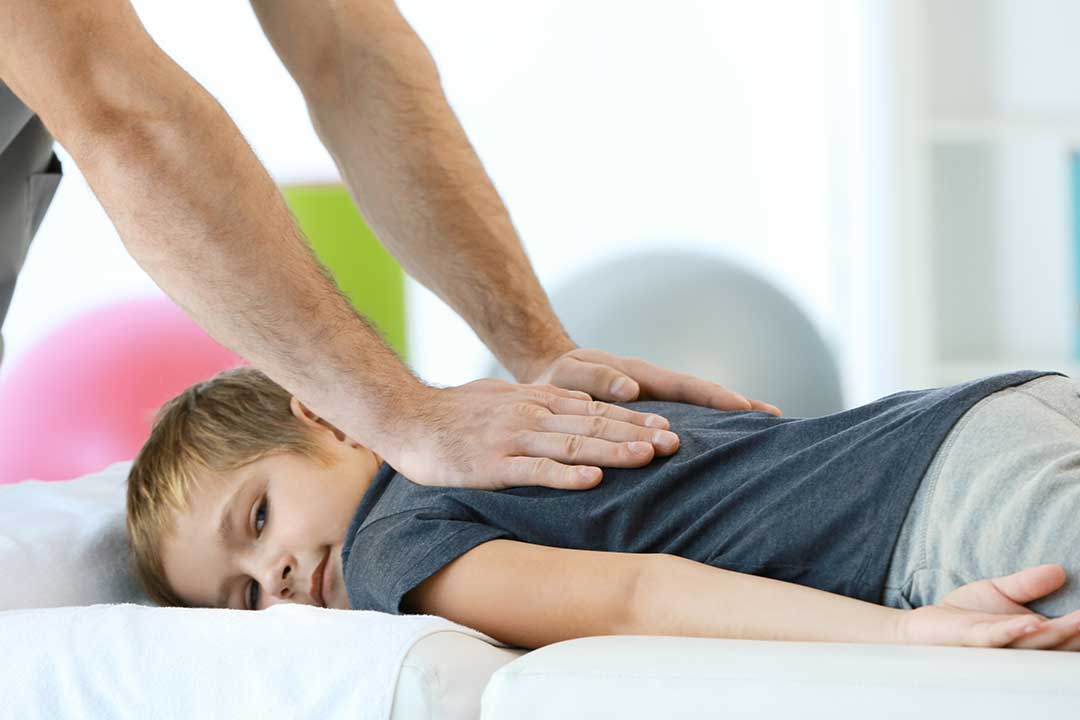
For back pain, prolonged bed rest is generally not helpful. Limiting movements that clearly worsen symptoms while continuing comfortable, light activity can support recovery. A health professional may help identify suitable exercises when pain is persistent, recurrent, or associated with weakness or nerve symptoms. ([niams.nih.gov](https://www.niams.nih.gov/health-topics/back-pain/diagnosis-treatment-and-steps-to-take?utm_source=openai))
What everyday habits reduce unnecessary spinal strain?
Many spinal problems develop during ordinary tasks rather than dramatic accidents. Lifting, carrying, pushing, pulling, and twisting can all become more demanding when performed quickly or repeatedly.
Helpful habits include:
- Divide heavy loads into smaller amounts.
- Hold objects close to the body rather than reaching forward.
- Turn with the feet instead of twisting the trunk while carrying.
- Use the legs and hips during lifting.
- Warm up before strenuous outdoor work.
- Alternate demanding tasks with lighter activities.
- Take extra care on icy or uneven surfaces.
- Avoid trying to “push through” sharp, radiating, or worsening pain.
In a rural or semi-rural household, seasonal work may involve repeated lifting over several hours. The risk often comes from total accumulated strain rather than one single movement. Planning breaks and using appropriate equipment can protect function without eliminating useful activity.
When should back or neck symptoms be evaluated promptly?
Some symptoms require more than routine self-care. Prompt medical evaluation is appropriate after a serious fall, collision, or other injury, especially when pain is severe. Immediate attention is also warranted for new loss of bladder or bowel control, significant weakness, numbness in the groin or buttocks, difficulty walking, unexplained fever, or pain accompanied by a history of cancer.
Pain traveling below the knee, pain that wakes a person repeatedly at night, unexplained weight loss, or symptoms that continue beyond several weeks should also be discussed with a qualified healthcare provider. These signs do not automatically indicate a serious disease, but they should not be ignored. ([medlineplus.gov](https://www.medlineplus.gov/ency/article/007425.htm?utm_source=openai))
Chiropractic care is one approach some people consider for musculoskeletal back or neck concerns, but spinal symptoms can have many causes. A careful assessment should account for medical history, medications, injuries, neurological symptoms, and other health conditions. Treatment decisions are safest when they match the suspected cause and the person’s overall health.
How should spinal health be viewed over time?
Quality of life is often a better measure than pain intensity alone. Useful questions include: Can the person sleep, walk, work, care for the household, and participate in meaningful activities? Is movement becoming easier or more restricted? Are symptoms occasional and manageable, or are they steadily changing behavior?
Protecting spinal health does not require avoiding all bending, lifting, exercise, or outdoor work. It means building enough strength and movement capacity to handle normal demands, responding early to recurring problems, and seeking timely evaluation when symptoms fall outside the pattern of ordinary muscle soreness or temporary stiffness.
