
 See Our Latest Article on HelloNation
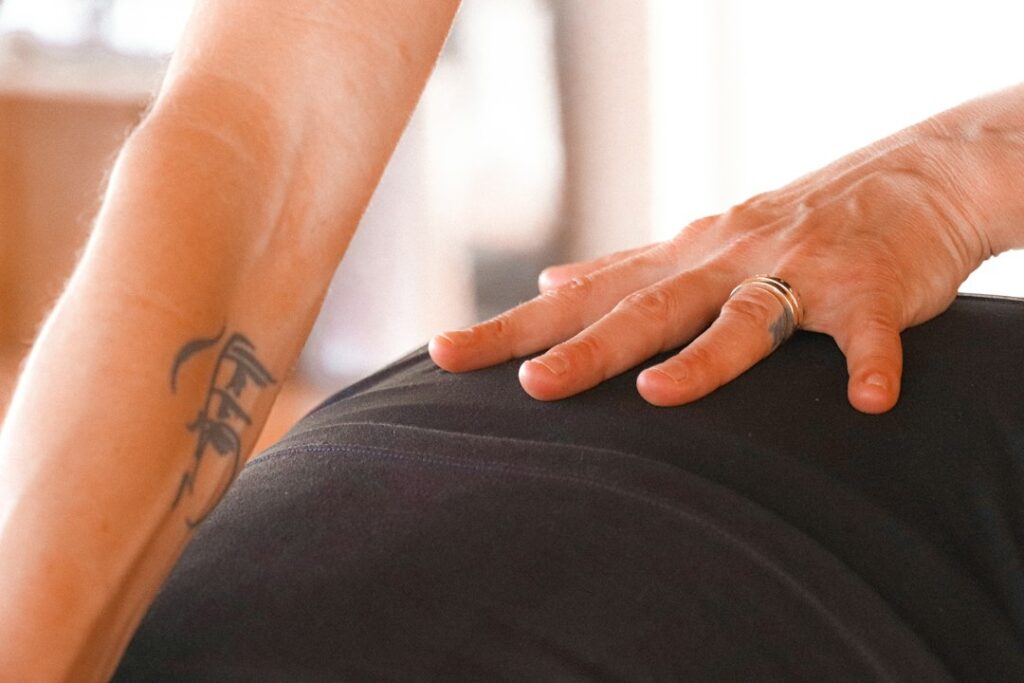
What is the main difference between chiropractic care and massage therapy?
The main difference is the part of the body each approach primarily targets and the techniques used. Chiropractic care commonly focuses on joints, spinal movement, nerve-related symptoms, and overall musculoskeletal function. Massage therapy focuses mainly on muscles and other soft tissues, using pressure and movement to reduce tension, soreness, or stress.
For residents of Schodack, NY, the choice may depend on whether discomfort seems connected to restricted joint motion, muscle tightness, repetitive activity, a recent strain, or a broader health concern. The two approaches can overlap, but they are not interchangeable.
What does chiropractic care involve?
Chiropractic care generally begins with a health history and physical examination. A chiropractor may assess posture, range of motion, muscle function, reflexes, and how symptoms affect daily activities. Treatment may include manual joint techniques, spinal manipulation, mobilization, stretching, exercise instruction, and soft-tissue work.
Spinal manipulation uses a controlled movement applied to a joint. It may be performed with the hands or with a specialized instrument. Mobilization is gentler and moves a joint within its normal range without the same type of quick thrust.
Chiropractic care is often considered for:
- Low-back pain
- Neck pain and stiffness
- Some types of joint discomfort
- Limited spinal mobility
- Certain headaches linked to the neck
- Musculoskeletal problems affecting movement or function
A chiropractic visit is more likely to include an assessment of how the spine, joints, nerves, muscles, and movement patterns relate to one another. It may also include guidance about exercises, lifting habits, workstation setup, or activities that can reduce strain.
Chiropractic treatment is not intended to replace emergency care, medical diagnosis, or treatment for serious disease. Symptoms such as significant weakness, loss of bladder or bowel control, unexplained fever, severe trauma, or sudden neurological changes require prompt medical evaluation.
What does massage therapy involve?
Massage therapy involves manipulating the body’s soft tissues, including muscles, tendons, ligaments, and connective tissue. Techniques may include gliding strokes, kneading, sustained pressure, stretching, or focused work on areas that feel tight or tender.
Different styles serve different purposes. A lighter massage may support relaxation and general muscle comfort. A more focused clinical or sports-oriented massage may address a specific area affected by overuse, exercise, or physical work.
Massage therapy may be useful for:
- Muscle tightness after household projects or yard work
- Soreness related to prolonged sitting
- General stress and physical tension
- Some short-term neck or shoulder discomfort
- Recovery after certain types of physical activity
- Temporary relief of muscle-related back discomfort
Massage does not generally involve diagnosing a spinal condition or applying a joint adjustment. Its primary aim is to influence soft-tissue tension, comfort, circulation, and relaxation.
Is chiropractic care more effective than massage therapy?
Neither approach is automatically better. The more useful option depends on the source of the symptoms, the person’s health history, and the desired outcome.
For some forms of low-back pain, research suggests that spinal manipulation and massage may provide modest relief, although results vary. Exercise, activity modification, physical therapy, medication, sleep improvement, and other treatments may also play an appropriate role. For muscle-dominant discomfort, massage may feel more directly relevant. For restricted movement or joint-related symptoms, an evaluation that includes joint and movement assessment may be more appropriate.
Pain does not always reveal its cause. A tight muscle may be reacting to a joint problem, while a stiff joint may be affected by surrounding muscle tension. That is one reason an initial assessment matters, particularly when pain is persistent, recurring, or accompanied by numbness, tingling, or weakness.

Can chiropractic and massage therapy be used together?
They can sometimes be part of the same broader care plan, but combining them is not necessary for everyone. A person with muscle guarding around a stiff area may benefit from soft-tissue work and movement-focused care at different points. Another person may need only one approach, home exercises, or time for a minor strain to settle.
If both are used, communication is helpful. Each practitioner should know about recent injuries, surgeries, medications, diagnosed conditions, and any changes in symptoms. Treatment should be adjusted if soreness becomes unusually intense or if new neurological symptoms appear.
The goal should not be to receive as many treatments as possible. A reasonable plan should connect treatment to a clear purpose, such as improving movement, reducing pain enough to resume normal activity, or supporting recovery from a known strain.
Which option is better for seasonal aches and daily routines?
Local routines can influence the type of discomfort people notice. Winter conditions may encourage more sitting and less outdoor movement, while snow clearing and cold-weather tasks can place sudden demands on the back, shoulders, and hands. In warmer months, gardening, home maintenance, walking, and recreational activities may create repetitive muscle soreness.
Massage may be a reasonable consideration when symptoms feel like generalized muscle tightness after activity. Chiropractic evaluation may be more relevant when discomfort is linked to restricted spinal or joint motion, repeated episodes, or difficulty performing ordinary movements.
Neither approach should be used to push through an injury that is worsening. A sudden pop, major swelling, inability to bear weight, progressive weakness, or pain after a significant fall or collision deserves medical assessment.
What safety issues should be considered?
Both approaches are generally considered low risk when appropriately matched to the individual, but “natural” or hands-on does not mean risk-free.
Massage may need to be modified or avoided over open wounds, skin infections, fractures, areas of acute inflammation, or significant bruising. Forceful deep-tissue work may be inappropriate for people with certain bleeding disorders or those taking blood-thinning medication. Pregnancy and serious medical conditions may also require specific precautions.
Chiropractic manipulation can cause temporary soreness, stiffness, fatigue, or headache. Neck manipulation deserves particular care because rare but serious complications have been reported. Anyone with a history of significant neck injury, unusual headache, neurological symptoms, vascular disease, or other complex health concerns should discuss risks and alternatives before treatment.
A practitioner should be told about numbness, tingling, weakness, osteoporosis, recent surgery, cancer history, blood-clotting problems, pregnancy, and medications. Clear communication helps determine whether hands-on care is suitable or whether another form of evaluation is needed.
How can someone decide between them?
A simple starting point is to identify the dominant problem:
- Mostly muscle tension, stress, or post-activity soreness: Massage therapy may be the closer match.
- Restricted joint movement, recurring back or neck pain, or movement-related symptoms: Chiropractic evaluation may be worth considering.
- Pain with numbness, tingling, weakness, fever, major injury, or unexplained weight loss: Medical evaluation should come first.
- Symptoms that keep returning: Look beyond short-term relief and consider exercise, work habits, sleep, lifting technique, and other contributing factors.
The most useful care is usually the care that has a clear rationale, respects safety concerns, and supports a return to normal activities. Chiropractic care and massage therapy may each have a place, but understanding their different purposes makes it easier to choose thoughtfully.
